Best Coping Strategies for New Mothers Facing Depression
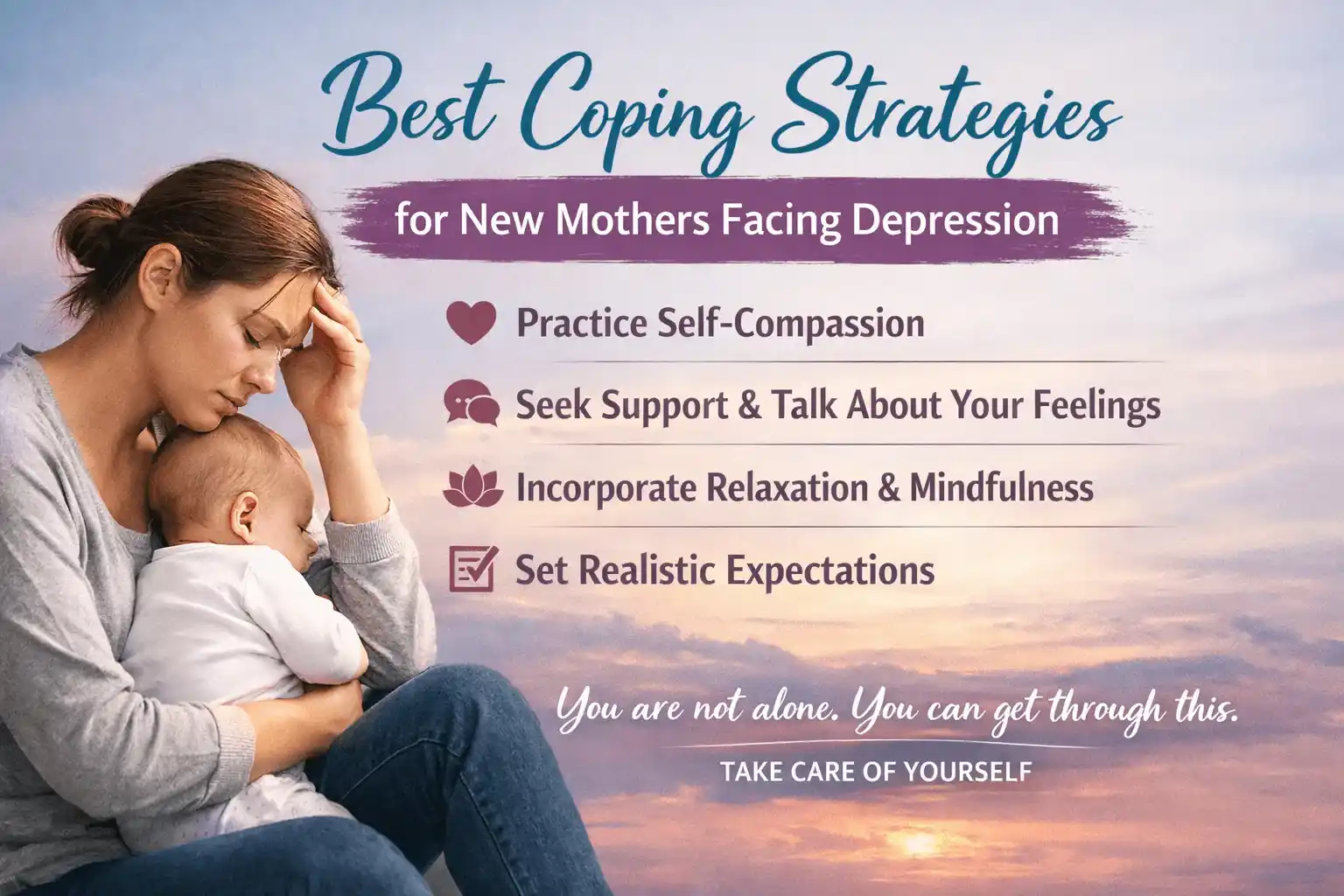
While new motherhood is often painted as a blissful experience, many women find themselves grappling with emotional challenges like postpartum depression (PPD). Knowing the best coping strategies for new mothers dealing with depression can significantly enhance mental well-being, ensuring that both mom and baby can flourish.
What Is Postpartum Depression?
Postpartum depression is a mood disorder that can hit women after giving birth, leading to ongoing feelings of sadness, anxiety, fatigue, and emotional detachment. It’s more intense than the “baby blues” and often requires effective coping strategies or professional support.
Explore more mental health resources and expert support.
Visit Confidante Psychology Academy now to learn more
Signs of Depression in New Mothers
Catching the symptoms early is vital. Some common signs to look out for include:
- Ongoing sadness or frequent crying
- Losing interest in things you once enjoyed
- Struggling to bond with your baby
- Sleep issues, whether that means too much or too little
- Feelings of guilt, worthlessness, or hopelessness
- Low energy and constant fatigue
Best Coping Strategies for New Mothers Facing Depression
- 1. Build a Strong Support System
One of the best ways to cope is to seek out emotional and practical support.
- Have open conversations with family or your partner
- Join support groups for new moms
- Share baby care responsibilities
👉 Connecting with others can help lessen feelings of isolation and boost emotional strength.
2. Make Sleep and Rest a Priority
Lack of sleep can really amplify feelings of depression.
- Catch some Z’s when the baby is napping
- Don’t hesitate to ask for help during those late-night feedings
- Try not to push yourself too hard
👉 Even a quick nap can do wonders for your mood and mental clarity.
Struggling with postpartum depression or emotional stress after delivery?
Our professional counselling services are here to help you regain balance and confidence.
👉 Explore our counselling services
3. Embrace Daily Self-Care
Self-care isn’t just a nice-to-have; it’s a must.
- Take a stroll or do some light exercise
- Keep up with your personal hygiene and grooming
- Dedicate 10–15 minutes to something that brings you joy
👉 Little routines can help you regain a sense of control and identity.
4. Reach Out for Professional Support
If you’re still struggling, it’s a good idea to talk to a mental health expert.
- Consider therapy options like CBT or counselling
- Medication might be helpful if your doctor recommends it
- Look into postpartum mental health programs
👉 Getting help early can lead to quicker recovery and better results.
5. Focus on Eating Well
What you eat plays a big role in your mental health.
- Aim for balanced meals that include proteins, fruits, and veggies
- Keep yourself hydrated
- Try to limit caffeine and sugar intake
👉 A nutritious diet can boost brain function and help stabilize your mood.
Read More : Understanding Depression: Causes, Symptoms, and Treatment
6. Adjust Your Expectations
Setting unrealistic goals can add unnecessary stress.
- Remember, perfection isn’t the goal
- Celebrate small wins
- Steer clear of comparing yourself to other moms
👉 Lowering your expectations can ease guilt and emotional strain.
7. Incorporate Mindfulness and Relaxation Techniques
Mindfulness can be a great tool for managing anxiety and negative thoughts.
- Practice deep breathing exercises
- Try meditation or yoga
- Write down your feelings in a journal
👉 These strategies can enhance emotional regulation and help reduce stress.
People Also Ask (PAA Optimization)
How can a new mother cope with depression?
New mothers can navigate through depression by creating a solid support network, making sleep a priority, indulging in self-care, and reaching out for professional help when needed. Simple habits like eating well and practicing mindfulness can significantly boost emotional health and help ease the symptoms of postpartum depression.
Is it normal to feel depressed after having a baby?
Absolutely, experiencing emotional ups and downs after giving birth is quite common. However, if feelings of sadness, anxiety, or fatigue linger for more than two weeks, it might be a sign of postpartum depression, which calls for attention and effective coping strategies.
What are quick ways to reduce postpartum stress?
Some quick fixes include taking short naps, practicing deep breathing, chatting with a trusted friend, or stepping outside for a breath of fresh air. These little actions can quickly help lower stress levels and lift your mood.
Can postpartum depression go away on its own?
While mild symptoms might fade with time, moderate to severe postpartum depression usually needs some form of intervention. Seeking therapy or support can lead to a quicker recovery and help avoid further complications.
How does lack of sleep affect new mothers’ mental health?
Not getting enough sleep can ramp up irritability, anxiety, and emotional instability. It can also intensify depressive symptoms, making it tougher for new mothers to handle everyday challenges effectively.
Conclusion
The best coping strategies for new mothers facing depression focus on support, self-care, and professional guidance. Early recognition and action can significantly improve recovery. Remember, seeking help is a sign of strength, not weakness.