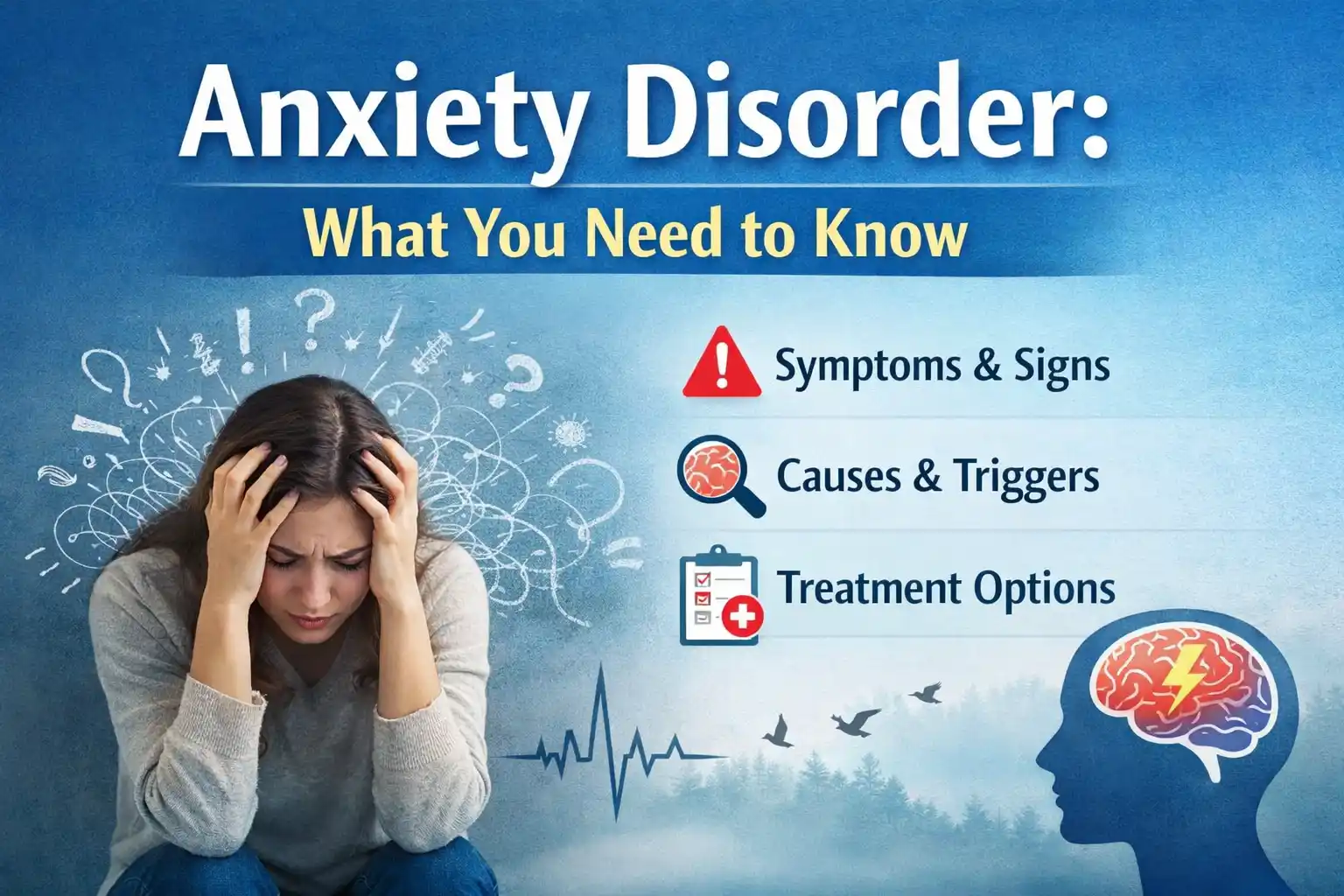
Anxiety Disorder: What You Need to Know
Anxiety disorder is a mental health condition characterised by excessive fear, worry, or nervousness that significantly impacts daily life. While it is normal to feel anxious from time to time, anxiety disorder is marked by persistent and intense feelings of worry that can disrupt your thoughts, actions, and even your physical well-being.
Individuals with anxiety disorder often experience emotional, physical, and behavioural challenges that can make even simple tasks feel daunting. Recognising the signs early and seeking appropriate treatment can help individuals manage their symptoms and improve their overall quality of life.
What Is Anxiety Disorder?
Anxiety disorder encompasses a range of mental health conditions in which individuals experience frequent, intense, and uncontrollable feelings of worry or fear. These emotions often seem out of proportion to the actual situation and can hinder daily activities like work, studying, and socialising.
Some common types of anxiety disorders include:
- Generalised anxiety disorder
- Panic disorder
- Social anxiety disorder
Start your psychology journey with expert guidance and practical learning.
👉 Explore all courses here: Visit Our Home Page
Different Types of Anxiety Disorders
Mental health experts categorise anxiety disorders into various types based on their symptoms and triggers.
1. Generalised Anxiety Disorder (GAD)
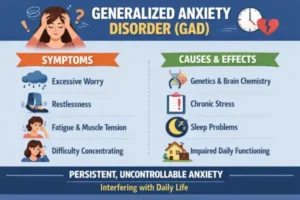
Generalised Anxiety Disorder is characterised by ongoing and excessive worry about everyday matters, such as work, health, or family. Individuals with GAD often feel anxious even in the absence of a clear cause.
2. Panic Disorder
Panic disorder is characterised by recurrent and unexpected panic attacks, which are intense bouts of fear that come with physical symptoms like a racing heart, sweating, and difficulty breathing.
3. Social Anxiety Disorder
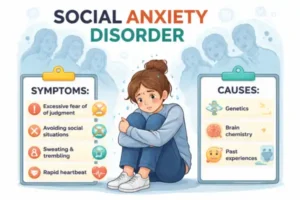
Social anxiety disorder is marked by an intense fear of social situations, particularly in situations where individuals fear being judged or embarrassed by others.
Want to understand anxiety disorders in real clinical settings?
👉 Join our Counselling Psychology Internship today: Apply for Internship
4. Specific Phobias
Specific phobias involve extreme fears tied to certain objects or situations, such as heights, flying, animals, or confined spaces.
5. Separation Anxiety Disorder
This disorder involves excessive distress when an individual is separated from attachment figures.
Symptoms of Anxiety Disorder
Symptoms of anxiety disorders can affect both mental and physical health
Emotional Symptoms
- Constant worry or fear
- Feeling restless or on edge
- Difficulty concentrating
- Irritability
Physical Symptoms
- Rapid heartbeat
- Sweating
- Shortness of breath
- Muscle tension
- Fatigue
Behavioural Symptoms
- Avoidance of stressful situations
- Trouble sleeping
- Reduced social interaction
Early identification of these symptoms can help individuals access appropriate mental health support.
Causes of Anxiety Disorder
There is no single cause of anxiety disorders. It often arises from a mix of psychological, biological, and environmental factors.
Common Causes
- Genetic predispositions and family history
- Imbalances in brain chemistry
- Exposure to stressful life events
- Trauma or adverse experiences
- Chronic health conditions
Understanding these factors enables mental health professionals to develop effective treatment plans.
How Anxiety Disorder Affects Daily Life
If left untreated, anxiety disorder can affect multiple aspects of daily life.
Some common impacts include:
- Decreased work or school performance
- Difficulties in maintaining relationships
- Poor sleep quality
- Reduced self- confidence
- Lower overall quality of life
With appropriate treatment and support, mental well-being can improve significantly.
Treatment Options for Anxiety Disorder
Anxiety disorders are treatable with appropriate mental health care.
1. Psychological Therapy
Therapies such as Cognitive Behavioural Therapy (CBT) can help individuals recognise negative thought patterns and develop effective coping strategies.
2. Medication
Healthcare professionals may prescribe medication to help regulate brain chemistry and reduce severe anxiety symptoms.
3. Lifestyle Changes
Adopting healthy habits can also aid in managing anxiety symptoms:
- Regular physical exercise
- A balanced and nutritious diet
- Meditation and mindfulness practices
- Maintaining a consistent sleep schedule
4. Stress Management Techniques
Practices like deep breathing, yoga, and relaxation exercises can reduce anxiety levels.
When Should You Seek Help for Anxiety?
If you are experiencing anxiety, it may be necessary to seek professional help if:
- It persists for several weeks or months
- It interferes with work or academic performance
- You experience panic attacks
- It negatively affects relationships or daily functioning
Seeking help early can significantly improve outcomes and prevent symptoms from worsening.
Frequently Asked Questions (FAQs)
1. What is anxiety disorder in simple terms?
Anxiety disorder is a mental health condition in which an individual experiences excessive worry, fear, or nervousness that disrupts daily life. Unlike normal anxiety, these feelings are intense, persistent, and difficult to manage.
2. What are the main symptoms of anxiety disorder?
Common symptoms include persistent worry, restlessness, rapid heartbeat, sweating, difficulty concentrating, sleep disturbances, and avoidance of stressful situations. These symptoms can affect both emotional and physical well-being
3. What causes anxiety disorder?
Anxiety disorders may result from a combination of genetic factors, imbalances in brain chemistry, stressful life events, trauma, and environmental influences. Triggers can vary from one individual to another.
4. Can anxiety disorder be cured?
While anxiety disorders may not always be completely cured, they can be effectively managed through therapy, medication, and lifestyle modifications. With appropriate treatment, many individuals can lead fulfilling and productive lives.
5. Is anxiety disorder common?
Yes, anxiety disorders are among the most prevalent mental health conditions worldwide. Millions of individuals experience anxiety-related symptoms at some point in their lives.
6. How is anxiety disorder diagnosed?
Mental health professionals typically diagnose anxiety disorders through psychological evaluations, assessment of symptoms, and review of medical history. They may also rule out physical health conditions that could cause similar symptoms.