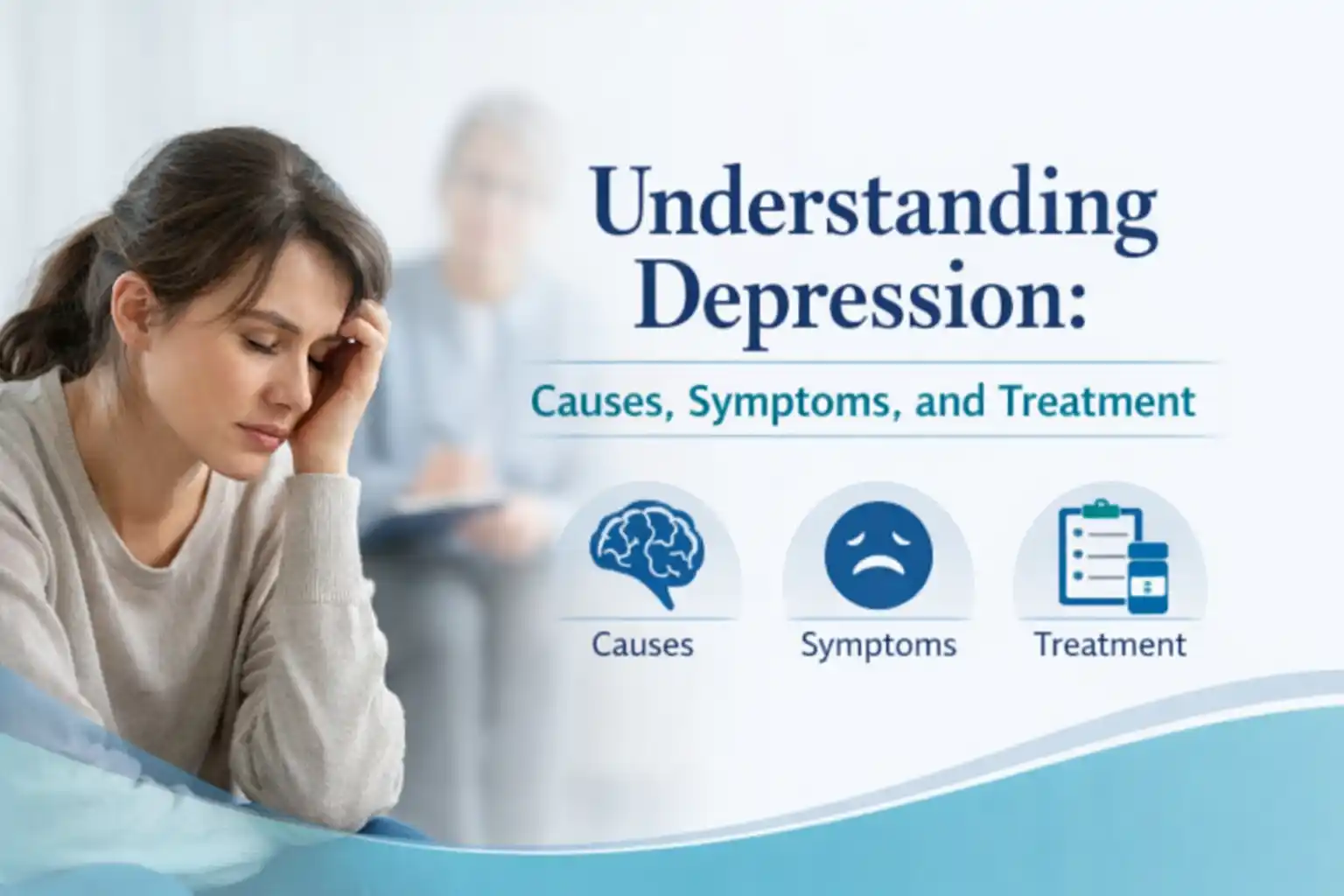
Depression is one of the most prevalent mental health conditions worldwide. It affects how individuals think, feel, and act. Unlike temporary feelings of sadness, depression is a serious mood disorder that can disrupt daily life, relationships, and work.
Understanding the nature of depression—its causes, symptoms, and treatment options—can help individuals recognize the condition and seek the right support and enhance their mental well-being.
What Is Depression?
Depression is a mental health condition characterised by persistent feelings of sadness, loss of interest or pleasure in activities, and emotional difficulties that impair daily functioning. In clinical psychology, it is classified as a mood disorder because it primarily affects a person’s emotional state, motivation, and overall level of functioning.
According to the DSM 5, depressive disorders involve a cluster of symptoms that persist over a period of time and cause significant distress or impairment in social, occupational, or other important areas of functioning.
Those dealing with depression might experience:
- Ongoing sadness
- A disinterest in activities they once enjoyed
- Low energy and motivation
- Changes in sleep patterns and appetite
Depression can affect individuals across all age, genders, or socio-cultural backgrounds.
Learn Practical Psychology Skills on the Go
Download the Confidante Psychology Academy Web app and gain real-world counselling and clinical psychology training from experienced mentors.
Types of Depression
Depressive disorders can present in different forms depending on symptom patterns, severity, and duration. The following are some commonly recognised types:
| Type of Depression | Description |
| Major Depressive Disorder | Severe depression lasting at least two weeks |
| Persistent Depressive Disorder(Dysthymia) | Long-term depression lasting two years or more |
| Seasonal Affective Disorder | Depression linked to seasonal changes |
| Postpartum Depression | Depression that occurs after childbirth |
| Bipolar Disorder | A mood disorder that includes both depression and mania |
Each type of depression necessitates a thorough evaluation and treatment from a mental health professional.
What Causes Depression?
Depression is generally understood as a multifactorial condition, meaning it develops through the interaction of biological, psychological, and environmental factors.
Want to Learn How Psychologists Actually Treat Depression?
Join our Clinical Psychology Internship to gain real-life exposure to case discussions, therapy techniques, and mental health training. Start your practical learning journey today.
1. Biological Factors
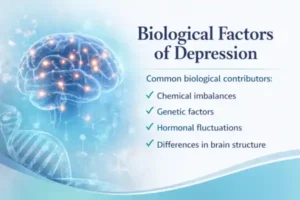
Changes in brain functioning and physiological processes can influence mood regulation and emotional stability.
Common biological contributors include:
- Chemical imbalances in neurotransmitters
- Genetic factors
- Hormonal fluctuations
- Differences in brain structure
These biological factors can significantly affect mood regulation and emotional stability.
2.Psychological Factors
Certain personality traits or psychological patterns can also increase the risk of depression.
Some examples are:
- Low self-esteem
- Negative thinking patterns
- Chronic stress
- Trauma or emotional abuse
These factors can lead to ongoing emotional symptoms like sadness, hopelessness, and guilt.
3.Environmental Factors
Environmental stressors and life circumstances can also trigger or worsen depressive symptoms, particularly when combined with biological and psychological vulnerabilities.
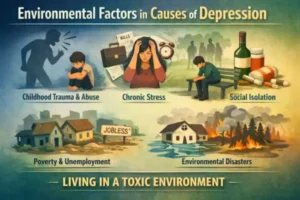
Common environmental triggers include:
- Relationship conflicts
- Job loss or financial stress
- Social isolation
- Major life changes
When these stressors interact with biological vulnerabilities, depression can take hold.
Symptoms of Depression
Depression is associated with a range of emotional, cognitive, and physical symptoms that can significantly affect an individual’s daily functioning. According to clinical descriptions in the DSM 5, these symptoms must persist for a sustained period and cause noticeable distress or impairment in social, occupational, or other important areas of functioning.
Emotional Symptoms
Emotional symptoms are among the most prominent features of depressive disorders.
Some common emotional symptoms are:
- Persistent sadness
- Feelings of hopelessness
- Irritability
- Loss of interest in activities
These emotional challenges often impact relationships and daily motivation.
Cognitive Symptoms
Depression can also influence cognitive processes, particularly patterns of thinking, attention, and decision-making.
Examples include:
- Difficulty concentrating
- Negative self-perception
- Excessive guilt
- Indecisiveness
These symptoms can hinder work performance and academic success.
Treatment Options for Depression
Several evidence-based treatment approaches are available for managing depression. Treatment plans are typically individualized and may involve psychotherapy, medication, or lifestyle changes, depending on the severity of symptoms and clinical assessment.
1.Cognitive Behavioural Therapy (CBT)
Cognitive Behavioural Therapy is widely recognised as one of the most effective approaches for treating depression. This therapeutic approach focuses on identifying and modifying maladaptive thought patterns and behaviours that contribute to depressive symptoms.
CBT emphasizes:
- Recognising negative thought patterns
- Altering harmful thinking habits
- Building healthy coping mechanisms
Studies have shown that CBT can significantly alleviate depressive symptoms and enhance emotional resilience.
2.Antidepressant Medication
In some cases, mental health professionals may recommend antidepressant medications to help balance the brain chemicals that influence mood.
The most common types include:
- SSRIs (Selective Serotonin Reuptake Inhibitors)
- SNRIs (Serotonin-Norepinephrine Reuptake Inhibitors)
- Tricyclic antidepressants
Typically, these medications are suggested for individuals experiencing moderate to severe depression symptoms and are typically used under the supervision of a qualified medical professional.
3.Lifestyle and Self-Help Strategies
Lifestyle adjustments can also play a supportive role in the management and recovery from depression. These strategies may enhance overall mental well-being and complement professional treatment.
Some effective strategies are:
- Engaging in regular physical activity
- Maintaining a balanced diet
- Prioritizing good sleep hygiene
- Seeking social support
- Managing stress effectively
In many cases, a combination of therapy, medication, and healthy lifestyle choices produces the most effective treatment outcomes.
Diagnosing Depression
The diagnosis of depression is typically conducted by qualified mental health professionals such as psychologists or psychiatrists. The assessment process involves a comprehensive evaluation of an individual’s symptoms, psychological history, and overall functioning.
Some common approaches include:
- Clinical interviews
- Psychological assessments
- Symptom checklists
- Diagnostic criteria from the DSM-5
An early and accurate diagnosis is important because it allows for timely intervention and reduces the risk of complications associated with untreated depression.
When Should Someone Seek Professional Help?
If someone is experiencing symptoms that persist for more than two weeks or start to disrupt their daily life, it’s time to reach out for professional help.
Some warning signs to look out for include:
- Ongoing sadness
- A lack of motivation
- Intense emotional distress
- Thoughts of self-harm
Seeking treatment early can significantly enhance recovery and improve overall mental health.
People Also Ask (PAA)
1.What are the main causes of depression?
Depression generally develops through a combination of biological, psychological, and environmental factors. An imbalance in brain chemicals, genetic predispositions, chronic stress, trauma, and various life challenges can all trigger this mental health condition. These elements can affect how we regulate our mood, leading to ongoing emotional struggles and a lack of motivation.
2.What are the most common symptoms of depression?
Common symptoms of depression often include a persistent feeling of sadness, fatigue, disinterest in activities, sleep disturbances, and trouble concentrating. Emotional symptoms like hopelessness and guilt are also prevalent. These symptoms can last for weeks and significantly impact daily life.
3.How is depression treated?
Treatment for depression usually involves a combination of psychotherapy, medication, and lifestyle adjustments. Approaches like cognitive behavioural therapy aim to shift negative thought patterns, while antidepressants help balance the brain chemicals that influence mood. Often, a blend of therapy and healthy lifestyle choices yields the best results for recovery.
4.Is depression a mental illness or a mood disorder?
Depression is actually both a mental health disorder and a mood disorder. It impacts how we regulate our emotions, our thought processes, and even our physical energy. Because it affects so many areas of mental functioning, depression is recognised as a significant psychological disorder that needs proper treatment.
5.Can depression be cured?
Depression is a treatable and manageable condition. Many individuals find recovery through a combination of therapy, medication, and positive lifestyle changes. While some may face recurring episodes, getting early treatment and psychological support can greatly lessen symptoms and enhance long-term mental well-being.