
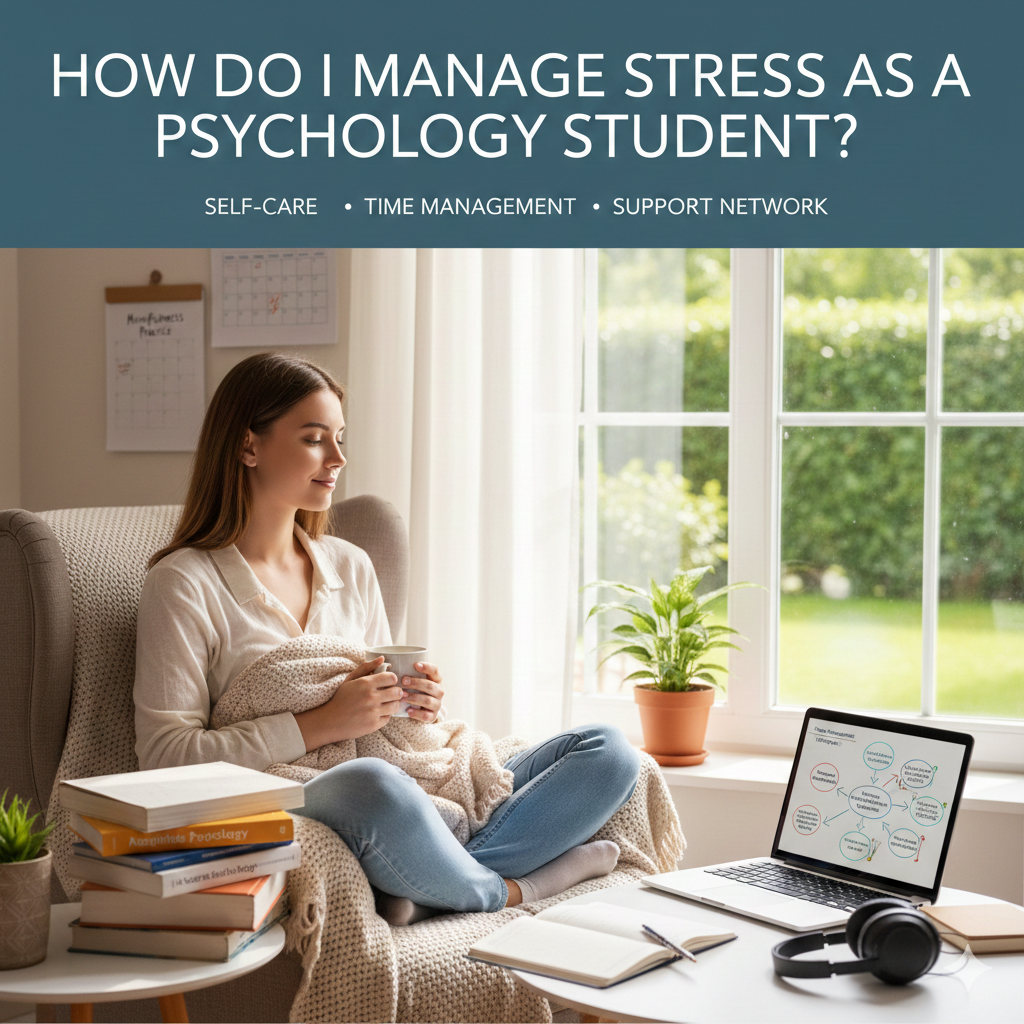
How Do I Manage Stress as a Psychology Student?
Introduction
Studying psychology is truly captivating you explore the human mind, behavior, emotions, and mental processes.However psychology students often experience higher levels of stress than they initially expect.The academic workload can be demanding, theoretical concept are complex, and assignments demand a lot of focus. When combined with internships, personal responsibilities, and part-time
employment, these factors can significantly increase psychological strain.If you find yourself questioning, “How can I handle stress as a psychology student?”, you are not alone. This artical seeks to present the topic into clear, practical, and evidence-informed approaches that can support psychological well-being, academic productivity, and overall balance. It will examine effective stress-management techniques, time management strategies,emotional regulation processes, and adaptive daily habits that students can incorporate into
their routine.
Why Psychology Students Experience High level of Stress
Understanding the sources of stress is a critical first step toward effective stress management.Psychology students often encounter a range of academic and personal stressors.Some common stressors include:
● A heavy academic workload
● Theory-intensive exams
● Emotional fatigue from case studies or internships
● Academic perectionism pressure
● Balancing classes, research, and part-time jobs
● Career uncertainty
Psychology student can experience stress even though they study mental health and psychological functioning. In fact, struggling with complex psychological concepts can sometimes increase emotional pressure cognitive load, and vulnerability to stress-related outcomes such as burnout.
Check out our next blog for helpful guidance-What are NET and SET Examinations and What Is their usefulness?
Daily Habits to Reduce Stress
If you are wondering, “How do I manage stress as a psychology student?”, start by incorporating small daily habits,consistent daily habits can be highly effective. These little changes can lead to significant improvements.
● Morning self-regulation routine: Begin the day with 5 minutes doing deep breathing,mindfulness, or light stretching to promote emotional regulation and physiological calm.
● Structured-study intervals: Study for 25–45 minutes, followed by 5–10 minute break.
● Sleep hygiene: Aim for 7–9 hours of quality sleep each night to support emotional stability, memory consolidation, and academic performance.
● Physical Movement:Incorporate 20–30 minute walking,stretching, or home-based exercise to reduce stress and improve mood through physiological activation.
● Hydration: Maintain adequate hydration throughout the day, as it plays a role in
sustaining energy levels and cognitive efficiency.
Together ,these habits help to keep your mind at ease and boost your cognitive performance.
Time Management Strategies That Actually Help
Ineffective time management is a significant contributor to academic stress among students.Psychology coursework often involves extensive reading, theoretical analysis, and applied learning, which can feel overwhelming without proper planning. A structured and realistic schedule can help reduce anxiety and increase a sense of control.
Plan Your Week in Advance
Spending approximately 10 minutes at the start of each week to organize tasks can significantly improve time management and reduce stress. Weekly planning should include:
● Academic Assignments and deadlines
● Dedicated Study hours for different subjects
● Time allocated for internships, research, or practical work
● Scheduled Breaks to support mental well-being and prevent burnout
Prioritizing Daily Tasks
Rather than attempting to complete all tasks at once, it is more effective to identify and focus on a limited number of priorities each day.which may include:
● One primary task
● One moderately demanding task
● One smaller, manageable task
This approach promotes sustained productivity while reducing the risk of cognitive overload and burnout.
Mindfulness & Emotional Self-Care
Mindfulness practices can be particularly beneficial for psychology students, as they support attention control, emotional regulation, and stress reduction.
Accessible Mindfulness Practices
● Deep breathing exercises, such as box breathing
● Brief guided meditation sessions lasting approximately five minutes
● Body scan relaxation to increase awareness of physical sensations
● Reflective Journaling to process thoughts and identify stress triggers
The Importance of Emotional Self-Care
Psychology students are frequently exposed to emotionally intensive topics like trauma,personality disorders, and emotional pain. Without adequate emotional processing, continued exposure to such material may negatively affect psychological well-being..
Engaging in regular Self-care practices can help students:
● Release emotional strain
● Prevent emotional exhaustion
● Maintain emotional stability and grounding
Build Strong Social & Academic Support Systems
A supportive social and academic environment plays a crucial role in reducing stress and maintaining motivation. Psychology students benefit significantly from collaborative and communicative learning environments.
Effective ways to strengthen support include:
● Connecting regularly with classmates
● Forming study groups to review and discuss course material
● Sharing notes and summarizing complex concepts collaboratively
● Assisting peers in understanding challenging topics
Don’t hesitate to reach out to professors for help. Asking for clarification or extra guidance on tricky concepts early on can save you from last-minute stress.
Talk to Friends and Family
Sometimes, just talking about your challenges can lighten your load and make you feel more understood.
When Stress Becomes Overwhelming
It is important to recognize when stress levels exceed a manageable threshold. Reflecting on the following questions can help identify signs of excessive stress:
Ask yourself:
● Am I constantly feeling tired?
● Am I losing interest in subjects I once loved?
● Am I having trouble concentrating?
● Is my sleep getting worse?
Consistently answering yes to these questions, may indicate elevated stress levels that require attention. Extreme stress can lead to burnout.In such cases, seeking support from a mentor,counselor, or trusted faculty member is strongly recommended.
Daily Stress-Management Checklist for Psychology Students
Engage in a 10-minute mindfulness or relaxation practice
Tackle your top three priorities for the day
● Remember to take short breaks while studying
● Participate in at least 30 minutes of physical activity
● Maintain a healthy sleep routine
● Connect with least one supportive individual each day
● Stay hydrated by drinking enough water
● Avoid multitasking to improve focus and reduce cognitive overload.
Conclusion: You Are Not Alone — Stress Can Be Managed
If you find yourself asking “How can I manage stress as a psychology student?”
it is important to recognize that experiencing stress is a normal response to academic and emotional demands. However, stress should not dominate or negatively define your academic experience. By developing adaptive daily habits, managing your time wisely, practicing mindfulness, and seeking support, you can create a balanced routine that keeps your mind sharp and your performance on point.Begin with small, intentional changes. Select one strategy from this list and implement it consistently. Over time, these efforts can contribute to improved clarity, confidence, and emotional stability in daily life.
FAQ
1. Why do psychology students experience high levels of stress?
Psychology students often face stress due to heavy academic workloads, theory-intensive exams, emotionally demanding subjects, internships, and the pressure to balance studies with personal responsibilities.
2. How can a psychology student manage stress effectively?
Stress can be managed by following healthy daily habits, maintaining a structured study routine, practicing mindfulness, managing time wisely, and seeking academic or emotional support when needed.
3. What daily habits help reduce stress for psychology students?
Daily habits such as regular sleep, short study sessions with breaks, physical activity, hydration, and morning mindfulness practices help regulate emotions and improve focus.
4. How does time management reduce stress in psychology students?
Effective time management reduces stress by creating structure, preventing last-minute pressure, improving productivity, and giving students a sense of control over academic responsibilities.
5. Are mindfulness practices helpful for psychology students?
Yes, mindfulness practices like deep breathing, meditation, body scans, and journaling help psychology students manage emotional overload, improve concentration, and reduce anxiety.
6. How can psychology students avoid burnout?
Burnout can be prevented by setting realistic goals, taking regular breaks, prioritizing tasks, practicing emotional self-care, and maintaining a healthy balance between academics and personal life.
7. Does social support help in managing academic stress?
Strong social and academic support systems, such as study groups, peer discussions, family support, and faculty guidance, significantly reduce stress and improve motivation.
