
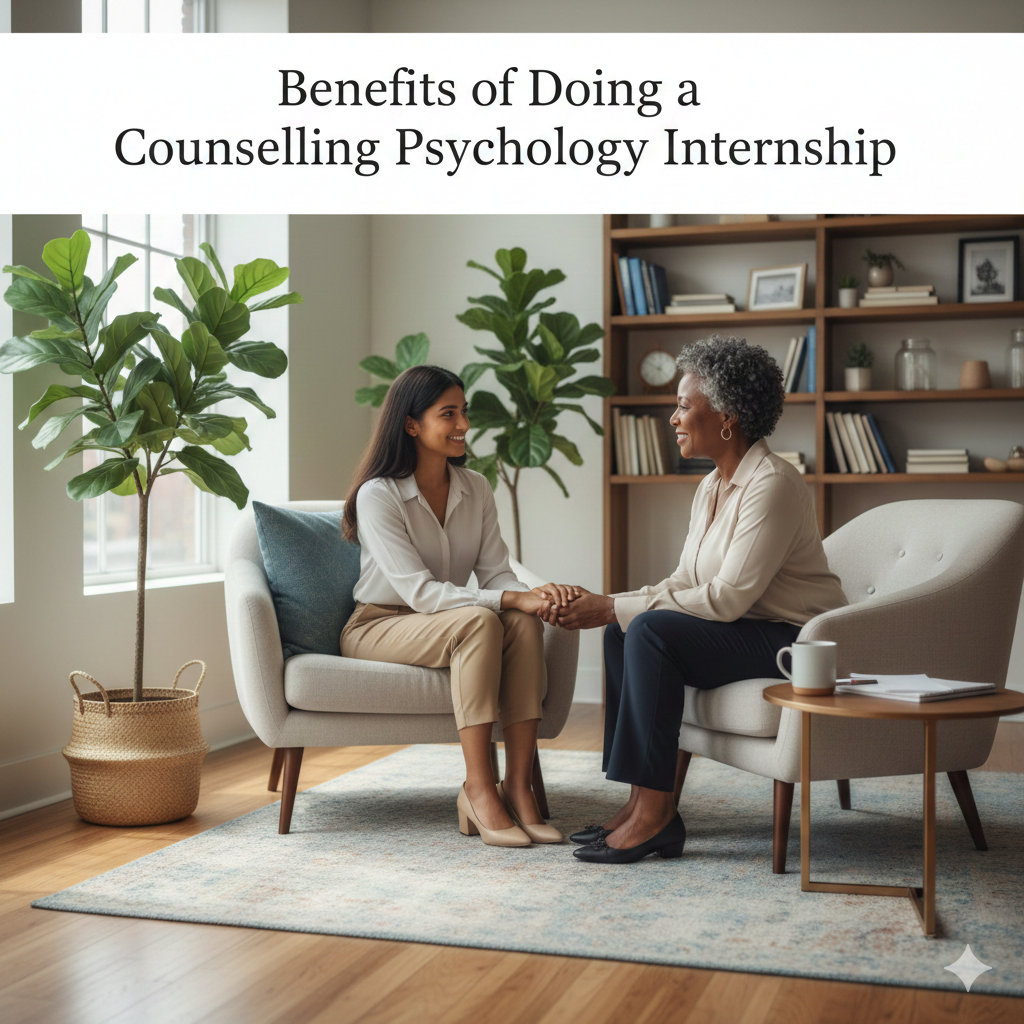
Benefits of Doing a Counselling Psychology Internship
A Counselling Psychology Internship is a vital step for students aiming to become skilled mental health professionals. While academic learning provides theoretical knowledge about human behavior, emotions, and psychological principles, a counselling internship offers practical experience. It allows students to interact with real clients, observe therapy sessions, and apply counselling techniques in a safe and supervised environment. The hands-on experience gained during an internship is invaluable for individual planning a career in counselling psychology.
Internships in counselling psychology not only provide skill development but also foster personal growth, emotional maturity, and professional confidence. They allow students to explore various areas of counselling, gain deeper understand client needs, and learn how to develop effective treatment plans. Moreover, internship prepare students to handle challenging situations ethically and empathetically, which is crucial for building a successful career in the field.
Why a Counselling Psychology Internship is Important
A counselling psychology internship bridges the gap between theory and practice. Students often find it challenging to understand how psychological concepts applied in real-life situations, and an internship helps address this gap. It provides exposure to diverse client populations, including individuals experiencing stress, anxiety, depression, relationship issues, or career-related problems.
During the internship, students learn how to manage counselling sessions, maintain professional boundaries, and document case histories under the guidance of experienced supervisors. This structured exposure builds both competence and confidence, better preparing students for future professional roles.
Start building your skills—explore our courses. https://drartipsych.com/counselling-psychology-internship-psychotherapy/
Key Benefits of Doing a Counselling Psychology Internship
1.Practical Counselling Experience
One of the most significant benefits of a counselling psychology internship is direct exposure to clients. Students have the opportunity to observe how therapists conduct sessions, communicate with clients, and address sensitive issues. This experience helps students understand:
● How to establish rapport with clients
● How to practice active listening
● How to assess client needs effectively
Practical exposure ensures that students are not only theoretically informed but also well prepared to manage real-world counselling situations.
2. Skill Development
A counselling psychology internship allows students to develop essential professional skills, including:
● Active Listening: Understanding verbal and non-verbal cues to respond appropriately
● Empathy: Developing the ability to connect with clients’ feelings without judgment
● Communication Skills: Learning to explain concepts clearly and provide guidance
● Problem-Solving: Assisting clients identifying solutions and effective coping strategies
● Ethical Practice: Understanding confidentiality, informed consent, and professional boundaries
These skills are crucial for a successful professional career and also contribute significantly to personal growth and emotional intelligence.
3.Confidence and Professional Growth
Working with clients in a supervised environment allows interns to gradually gain confidence. They learn to manage challenging situations, respond to clients’ emotions, and conduct sessions professionally. This confidence is essential for future roles as therapists, counselors, or mental health specialists. It enhances the ability to manage workplace dynamics and collaborate effectively with colleagues.
4. Career Exploration and Clarity
A counselling psychology internship helps students explore different areas within the field.Interns may work with children, adolescents, adults, couples, or career-focused clients. Exposure to diverse populations and counselling techniques enables students to identify their areas of interest and specialization. This clarity allows students to make informed career choices and align their education and training with their goals.
5. Networking Opportunities
Internships provide opportunities to connect with professionals in the field, including experienced therapists, psychologists, and researchers. Networking during an internship can lead to mentorship, professional guidance, and potential employment opportunities after completing education. Building strong professional relationships may also open doors to workshops, seminars, and future collaborations.
6. Improved Job Readiness
Students who complete a counselling psychology internship often gain a competitive advantage in the job market. They gain practical experience that is highly valued by employers , including the ability to conduct assessments, maintain case documentation, and implement therapeutic strategies. This hands-on experience demonstrates readiness for independent professional practice.
Conclusion
The benefits of undertaking a counselling psychology internship extend far beyond simple work experience. It equips students with practical counselling skills, emotional intelligence, professional confidence, and career clarity. Through observation, hands-on practice, and mentorship, interns learn how to handle real-life situations ethically and effectively. For individuals aspiring to become a mental health professional, completing a counselling psychology internship is an essential step toward a successful and fulfilling career.
FAQ – Counselling Psychology Internship
Q1. Who should pursue a counselling psychology internship?
Students who are interested in careers related to counselling, therapy, or mental health.
Q2. What are the main benefits of counselling psychology internship?
Key benefits include practical exposure, skill development, professional confidence, career clarity, and networking opportunities.
Q3. How long does a counselling psychology internship usually last?
Duration typically ranges from one month to one year, depending on the institution and program structure.
Q4. Are the skills gained during the internship useful for professional practice?
Yes. Skills such as active listening, empathy, communication, problem-solving, and ethical practice are essential for counselling careers.
Q5. Can an internship help in choosing a specialization?
Yes. Exposure to diverse client populations and counselling techniques helps students identify their preferred area of specialization.
