

Table of Contents
Is Psychology a Hard Subject to Study? A Complete Guide for Students
Many of my students often ask, “Is psychology a hard subject to study?”
The short answer is this: Psychology can feel challenging at times, but with the right study strategies, it becomes one of the most fascinating and rewarding subjects you’ll ever learn.
In this guide, we’ll explore why psychology may seem difficult at first, what makes it so enriching, the skills you’ll need to succeed, and simple techniques to make the learning process feel like it’s truly “your cup of tea.”

Definition and Meaning of Psychology
Definition: Psychology is the scientific study of the human mind and behaviour. It explores:

- How we think and feel
- Why we behave the way we do
- How the brain functions
- How mental health issues develop and how they are treated
Psychology blends science, theory, and real-life application, which often makes students wonder, “Is psychology a hard subject to study?” Let’s explore that further.
Is Psychology a Hard Subject to Study?
Psychology can feel challenging because it requires:
- Extensive reading
- Understanding scientific concepts
- Analysing theories and research findings
- Developing strong academic and analytical writing skills
However, if you are genuinely curious about people and human behaviour, the subject becomes far more enjoyable, manageable, and deeply fulfilling.
What Makes Psychology Interesting?
Students are drawn to psychology because:
- It helps you understand behaviour, emotions, and thoughts
- It connects easily to everyday life
- It opens doors to careers in HR, counselling, teaching, marketing, research, and healthcare
- It includes real-life case studies and experiments
- It strengthens your critical thinking, empathy, communication, and problem-solving skills
Why Do Students Find Psychology Challenging?
- Complex Theories
You’ve got to wrap your head around theories from Freud, Skinner, Piaget, Bandura, and others. A lot of this material can be pretty abstract or heavily research-focused.
- Scientific Research
Psychology dives into experiments, data analysis, statistics, and report writing; this can be tough for students who aren’t quite at ease with science.
- Heavy Reading Load
With lengthy textbooks, research papers, journals, and a slew of new terminology, it can all feel a bit overwhelming.
- Analytical & Academic Writing
You need to back up your answers with solid evidence, case studies, and logical reasoning.
- Memory Demands
You’ll be studying brain parts, disorders, treatments, stages of development, and historic experiments—this requires regular revision to keep everything fresh.
Is Psychology a Science?
Absolutely. Psychology employs the scientific method to explore behavior. Students get to learn about hypotheses, experiments, statistical analysis, and structured research writing. This scientific aspect is one reason some students find it tough at first.
Skills Needed for Success in Psychology

- A genuine curiosity about human behavior
- Strong reading comprehension skills
- A basic grasp of biology
- Comfort with statistics
- Critical thinking skills
- Good time management
- Consistent revision habits
Students who possess these skills often find psychology much more manageable.
Is Psychology Harder Than Other Subjects?
It really depends on your strengths. If you enjoy theory and reading, psychology might come easier to you. However, if writing or scientific research isn’t your thing, it could feel more challenging.
Tips to Make Psychology Easy to Study
1.Use Flashcards
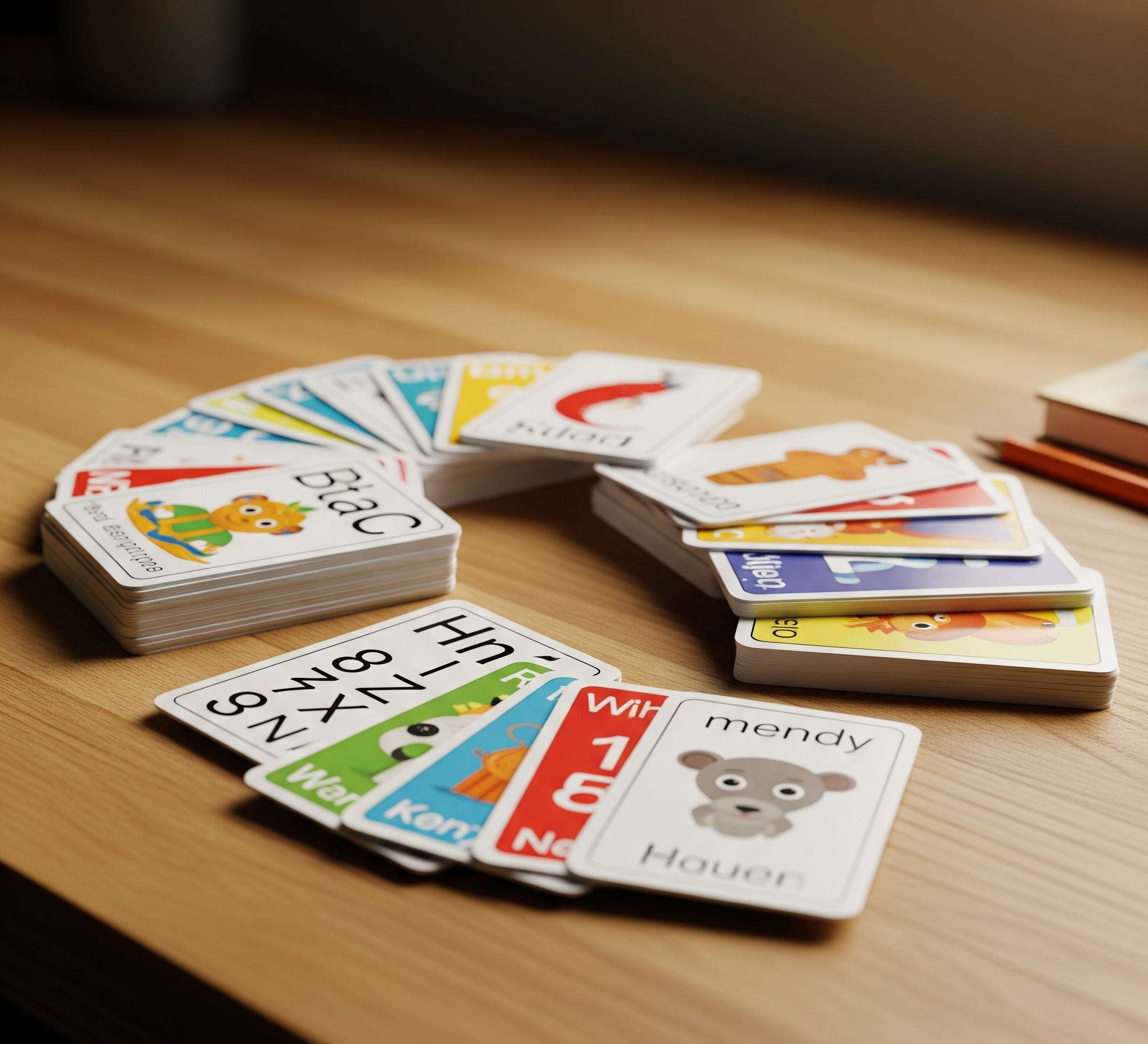
Flashcards are a great way to quickly memorize theorists, terms, and definitions.
2.Watch Videos & Documentaries

Visual learning can simplify complex topics and make them more memorable.
3.Join Study Groups
Discussing ideas with others can enhance your understanding of theories and case studies.
4.Apply Concepts to Real Life
Linking what you learn to your everyday experiences can really help reinforce your memory.
5.Use Practice Tests
Taking mock tests can highlight your weak spots and improve your performance on exams.
6.Take Breaks
Short breaks can help prevent mental fatigue and keep your focus sharp.
Final Thoughts: Is Psychology a Hard Subject to Study?
Whether psychology is hard to study really depends on your interests and how you learn. Sure, it involves theory, research, and writing — but with a bit of curiosity and consistency, anyone can do well.
Psychology equips you with valuable skills like self-awareness, emotional intelligence, and a better understanding of people. For those who are passionate about the mind, studying psychology is not just doable — it’s incredibly rewarding.
FAQs
1.Is psychology hard for beginners?
Not necessarily. While beginners might find theories and research methods challenging, regular reading and relatable examples can make it easier.
2.Do you need math for psychology?
You’ll need some basic statistics, mainly for research and data analysis, but you won’t have to tackle advanced math.
3.Is psychology a good career option?
Absolutely! It opens doors in counseling, HR, education, mental health, marketing, research, and social work.
4.Is there a lot of memorization in psychology?
Yes, especially when it comes to theories, experiments, brain functions, and disorders. Using flashcards and revising can really help.
5.Is psychology mostly theory?
It does include theory, but it also covers research, experiments, and real-life applications.
6.Is psychology easy to score?
Yes, if you write structured answers, provide examples, and have a solid grasp of the key concepts.
7.How long does it take to understand psychology?
Most students can grasp the foundational topics in just a few weeks with consistent study.