
What’s the link between climate change and mental health?
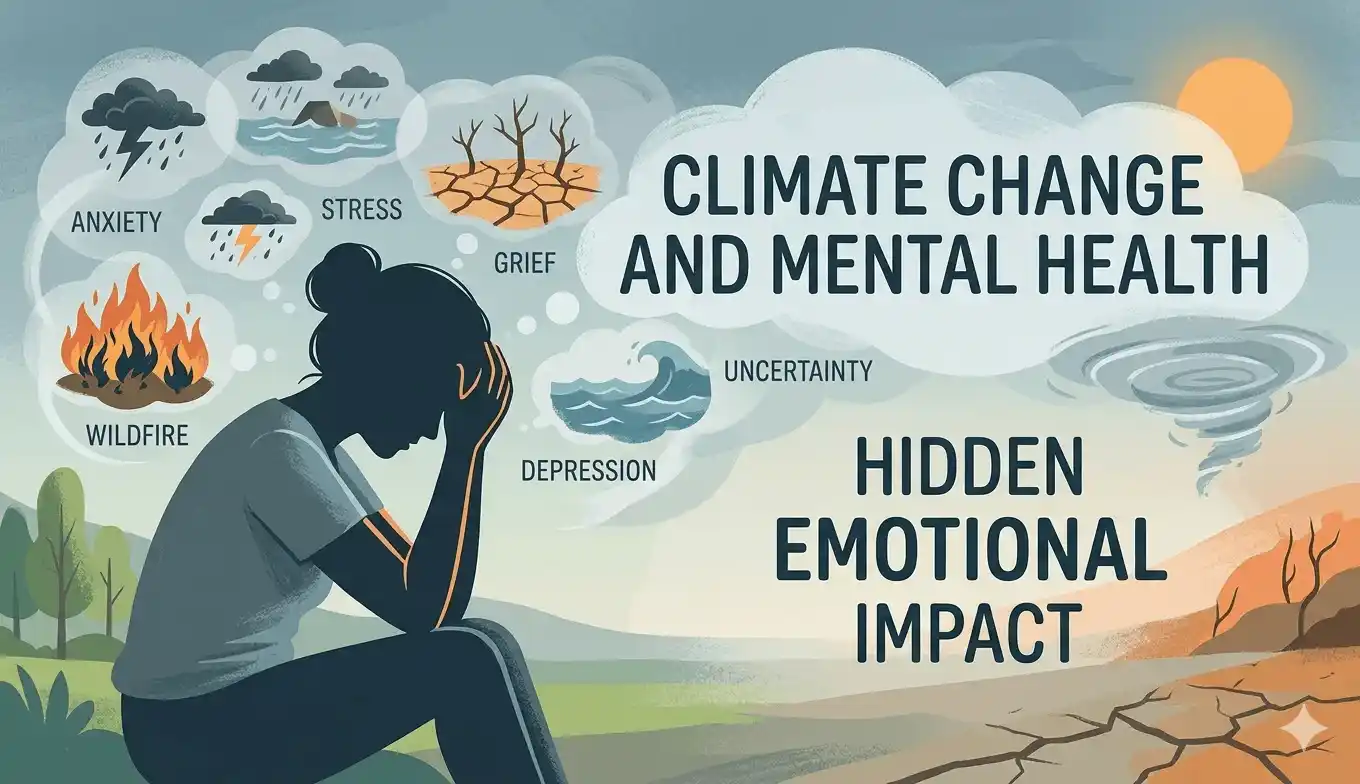
What’s the link between climate change and mental health? Well, it’s all about how shifts in our environment like rising temperatures, severe weather, and disruptions to nature affect our emotional and psychological well-being. These changes can lead to feelings of anxiety, depression, stress, trauma, and even long-term mental health issues.
Climate change isn’t just an environmental concern anymore; it’s turning into a significant psychological challenge for people and communities around the globe. The connections between climate change and mental health can be both direct and indirect, and they often depend on how exposed someone is, their vulnerability, and their ability to cope.
Direct impacts of climate change on mental health

Direct impacts include:
- Trauma from natural disasters like floods, cyclones, and wildfires
- Losing homes, jobs, and loved ones
- Experiencing post-traumatic stress disorder (PTSD)
Struggling with stress, anxiety, or eco-anxiety?
At Confidante Psychology Academy, we help you understand and manage your mental health with expert guidance and evidence-based approaches.
Indirect impacts and long-term psychological effects
On the other hand, indirect impacts might involve:
- Climate anxiety (or eco-anxiety) about what the future holds
- Economic stress from things like crop failures or job losses
- The stress of displacement and migration
- Long-term psychological effects such as chronic stress and burnout
- Feelings of depression and hopelessness
- Increased substance use
It’s clear that the effects of climate change reach far beyond the physical environment, touching deeply on our mental health as well.
What is eco-anxiety?
Eco-anxiety is that persistent worry about the environment and the looming threats of climate change. It’s something many young people and those who are aware of climate issues experience.
What sets eco-anxiety apart from regular anxiety is that it’s based on real, tangible threats to our planet, making it a valid but often overwhelming emotional reaction.
Not sure how climate stress is affecting your mental health?
Our Psychological Testing & Evaluation services help identify anxiety, stress levels, and emotional challenges accurately.
Why does climate change increase stress and anxiety?
So, why does climate change ramp up our stress and anxiety levels? Well, it creates a sense of uncertainty, unpredictability, and a feeling of losing control three big triggers for anxiety.
Key reasons include:
- Worrying about potential disasters in the future
- Being constantly bombarded with negative news about the climate
- Having our daily lives and routines disrupted
- Facing financial instability and job insecurity
Who is most affected by climate change and mental health challenges?
Who feels the brunt of climate change and mental health challenges?
Some groups are particularly at risk when it comes to the links between climate change and mental health:
- Children and teenagers
- Older adults
- Farmers and those in rural areas
- Low-income individuals
- Survivors of disasters
These communities often find themselves without the necessary resources, making it tougher to bounce back psychologically. Tackling the intersection of climate change and mental health calls for both personal and collective approaches.
You May Also Like To Read : Anxiety Disorder: What You Need to Know
Coping strategies for climate change-related stress
Personal strategies:
- Embrace mindfulness and relaxation practices
- Limit your exposure to overwhelming climate news
- Keep yourself physically active
- Get involved in climate-friendly initiatives
Social strategies:
- Connect with community groups or support networks
- Take part in environmental activism
- Strengthen your resilience through social ties
Professional help:
- If feelings of distress linger, consider seeking therapy or counseling
- Cognitive Behavioral Therapy (CBT) can be particularly helpful for managing anxiety
Key symptoms linked to climate change stress
Key symptoms linked to climate change stress
Spotting symptoms early can really help in managing mental health challenges effectively.
Some common symptoms to look out for include:
- Ongoing worry about climate change
- Trouble sleeping
- Difficulty focusing
- A sense of helplessness
- Emotional fatigue
Continue Learning : Understanding Depression: Causes, Symptoms, and Treatment
🔍 People Also Ask (PAA)
Is climate change affecting mental health globally?
Absolutely, the link between climate change and mental health is now recognized worldwide. Research indicates a rise in anxiety, depression, and trauma associated with environmental changes. Both developed and developing nations are feeling the psychological effects, but those in vulnerable communities are hit hardest due to fewer resources and greater exposure.
Can climate change cause depression?
Yes, climate change can indeed play a role in depression, stemming from feelings of loss, uncertainty, and ongoing stress. Events like natural disasters or extended droughts can evoke feelings of hopelessness, grief, and emotional fatigue, which can heighten the risk of developing depressive disorders over time.
What is climate anxiety?
Climate anxiety, often referred to as eco-anxiety, is the worry and stress that comes from climate change and environmental degradation. While it’s not classified as a mental illness, it can disrupt daily life if it becomes overwhelming. It reflects a growing awareness and concern about environmental issues.
How do natural disasters impact mental health?
Natural disasters can lead to trauma, PTSD, anxiety, and depression. Survivors frequently go through shock, grief, and long-lasting psychological distress. The abrupt loss of safety and stability can have a profound effect on emotional well-being and recovery.
Are young people more affected by climate change anxiety?
Yes, young people are particularly affected by their heightened awareness and concern about an uncertain future. Many experience eco-anxiety, worrying about job stability and survival, which makes them more emotionally vulnerable to stress related to climate change.
Conclusion
The links between climate change and mental health reveal a significant yet often ignored global issue. From feelings of eco-anxiety to the trauma that comes from natural disasters, the psychological effects are both real and escalating. Tackling this challenge calls for increased awareness, timely intervention, and cohesive policies that merge environmental initiatives with mental health support.