
Quick Definition
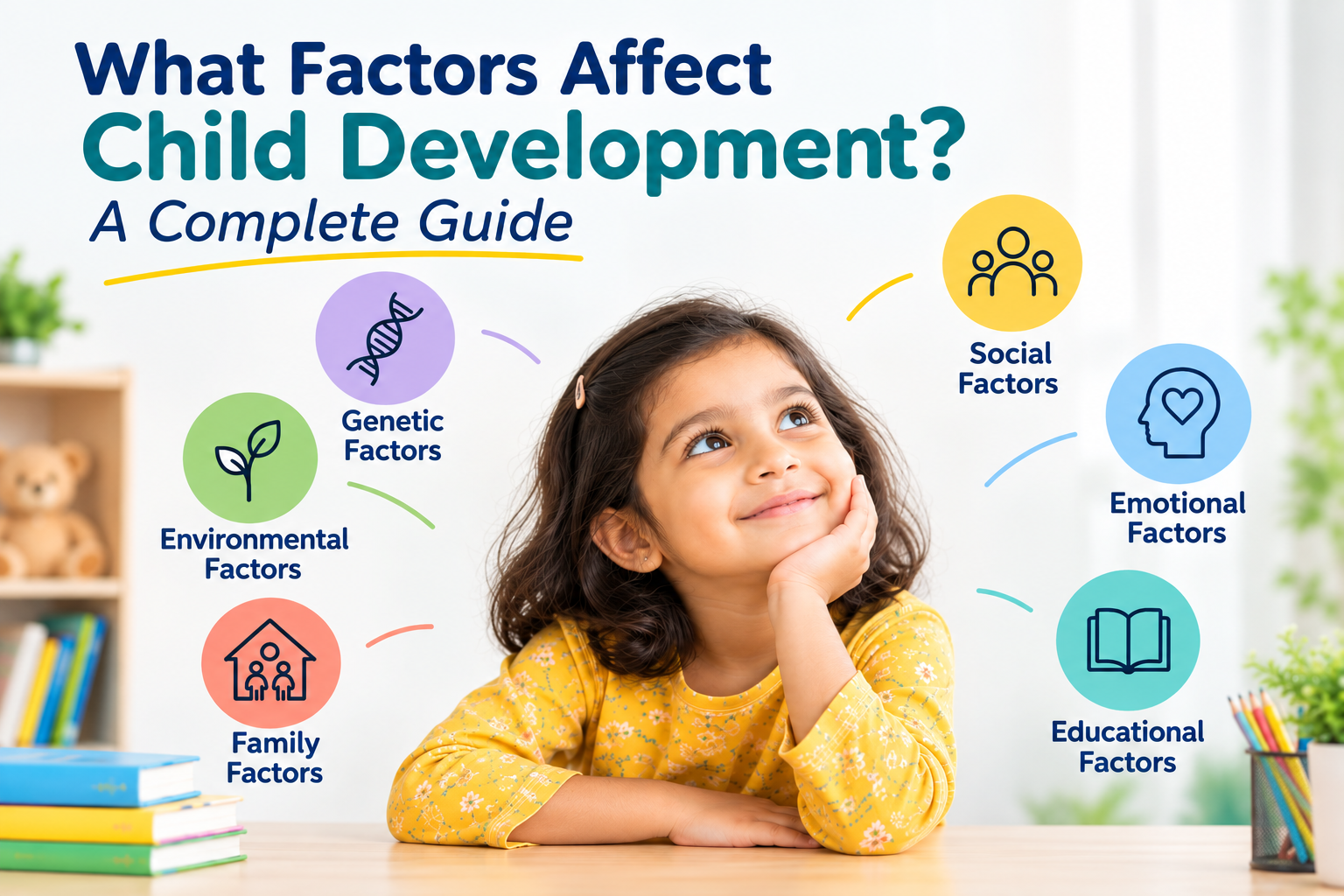
Child development is influenced by a combination of biological, environmental, social, and psychological factors that shape how children grow physically, emotionally, cognitively, and socially from birth through adolescence. These factors include genetics, nutrition, parental involvement, education quality, peer relationships, and socioeconomic status.
Introduction
Understanding what affects child development is crucial for parents, educators, and caregivers. Child development isn’t determined by a single factor but rather by multiple interconnected elements that work together. Some factors are within our control, while others are not. The good news? Research shows that supportive environments, healthy relationships, and consistent care can significantly improve developmental outcomes, regardless of circumstances.
This guide explores the key factors shaping child development and provides actionable insights for supporting healthy growth.
Biological and Genetic Factors
Genetics and Heredity
Genes play a foundational role in child development. They influence height, intelligence potential, personality traits, and susceptibility to certain conditions. However, genetics alone don’t determine outcomes environmental factors interact with genes to shape who children become.
Prenatal Health and Nutrition
What happens before birth matters significantly. Maternal nutrition, prenatal care, and avoiding harmful substances like alcohol and tobacco directly impact fetal development. Adequate folic acid, calcium, and iron during pregnancy support healthy brain and physical development.
Brain Development and Neuroplasticity
The brain develops rapidly during early childhood, with 90% of brain growth occurring by age five. Proper nutrition, stimulation, and secure attachments support optimal neural development. This is why early intervention for developmental delays shows strong results.
Want to understand child development in greater depth? Explore our Developmental Psychology course to learn about physical, cognitive, emotional, social, and personality development across different stages of life. Learn psychology concepts with clear explanations and practical examples.
Environmental and Social Factors
Family Structure and Parental Involvement
Children thrive when parents or caregivers are emotionally available and engaged. Parental involvement in education, consistent routines, and secure attachments create safe foundations for development. Quality time matters more than quantity meaningful interactions build language skills and emotional security.
Socioeconomic Status
Income level affects access to resources. Families with higher socioeconomic status typically afford better nutrition, healthcare, educational opportunities, and extracurricular activities. However, research shows that emotional support and parental engagement can buffer against economic disadvantages.
Educational Quality
Schools shape cognitive development significantly. Quality teachers, appropriate curriculum, and supportive learning environments accelerate academic progress. Schools also foster social development through peer interactions and structured activities.
Peer Relationships and Social Networks
Friends influence behavioral development, self-esteem, and social skills. Positive peer relationships support confidence and belonging, while peer rejection or bullying can hinder emotional development. Social skills learned early become the foundation for adult relationships.
Nutritional and Health Factors
Nutrition’s Role in Development
Proper nutrition fuels physical growth and brain development. Iron supports cognitive function, protein builds muscles and tissue, and calcium strengthens bones. Malnutrition during critical periods can cause permanent developmental delays.
Healthcare Access
Regular check-ups, vaccinations, and prompt treatment of illnesses prevent complications that could derail development. Vision and hearing screening catch problems early when intervention is most effective.
Physical Activity
Exercise supports physical development, coordination, and mental health. Active play reduces anxiety and depression while improving focus and academic performance.
Want to learn more about psychology? Explore our latest psychology blogs : What Is a Mental Status Examination? A Beginner’s Guide
Cognitive and Emotional Development Factors
Language Exposure
Early language input matters tremendously. Children exposed to rich vocabulary develop stronger language skills, which correlates with later academic success. Reading together and conversation during daily activities build language foundations.
Stress and Trauma
Chronic stress impairs brain development, particularly in areas governing learning and emotional regulation. Adverse childhood experiences (ACEs) can have lasting effects. However, supportive relationships and trauma-informed care can help children recover and develop resilience.
Emotional Attachment
Secure attachment between child and caregiver is foundational. Children with secure attachments show better emotional regulation, social skills, and academic performance. Early bonding creates templates for future relationships.
Comparison Table: Key Development Factors
| Factor | Impact Level | Controllable | Critical Period |
| Parental Involvement | Very High | Yes | Birth-18 years |
| Nutrition | Very High | Yes | Birth-5 years |
| Genetics | High | No | From conception |
| Education Quality | High | Partially | 3-18 years |
| Socioeconomic Status | High | Partially | Ongoing |
| Peer Relationships | Medium-High | Partially | 5+ years |
| Healthcare Access | High | Yes | Birth-18 years |
| Stress/Trauma | High | Partially | All ages |
Frequently Asked Questions About Child Development
Q.1 : What’s the most important factor in child development?
Ans – While all factors matter, parental involvement and secure attachment consistently show the strongest correlation with positive outcomes. When parents are emotionally present and engaged, children develop healthier across all domains.
Q.2 : Can poor early development be reversed?
Ans – Yes. The brain’s neuroplasticity means that supportive interventions, consistent care, and enriching experiences can help children catch up. Early intervention services exist specifically for this reason and show strong success rates.
Q.3 : How does poverty affect child development?
Ans – Poverty limits access to resources, quality education, and healthcare. However, parental engagement, community support, and quality early childhood programs can significantly mitigate these effects.
Q.4 : What role does screen time play?
Ans – Excessive screen time (over 2 hours daily for young children) correlates with delayed language development and reduced physical activity. Limit screens and prioritize interactive, real-world play and conversations.
Supporting Healthy Child Development
Key Actions for Parents and Caregivers:
- Read daily to children
- Maintain consistent routines and boundaries
- Engage in active play
- Limit screen exposure
- Ensure proper nutrition
- Foster secure attachments through responsive care
- Encourage peer interactions
- Model healthy emotional regulation
The Role of Professional Guidance
Confidante Psychology Academy specializes in child development psychology and provides evidence-based training for educators, parents, and professionals. Their comprehensive courses help adults understand developmental milestones and create supportive environments where children flourish.
Final Thoughts
Child development results from the interplay of genetics, environment, relationships, and experiences. While we can’t control everything, we can control our responses, investments in education, consistency in relationships, and commitment to health and wellbeing.
The factors affecting child development aren’t isolated they’re interconnected. Addressing one area positively influences others. By understanding these factors, caregivers can make informed decisions and advocate for children’s needs. Every child deserves the opportunity to develop fully. Start where you are, use what you have, and do what you can to support the children in your life.